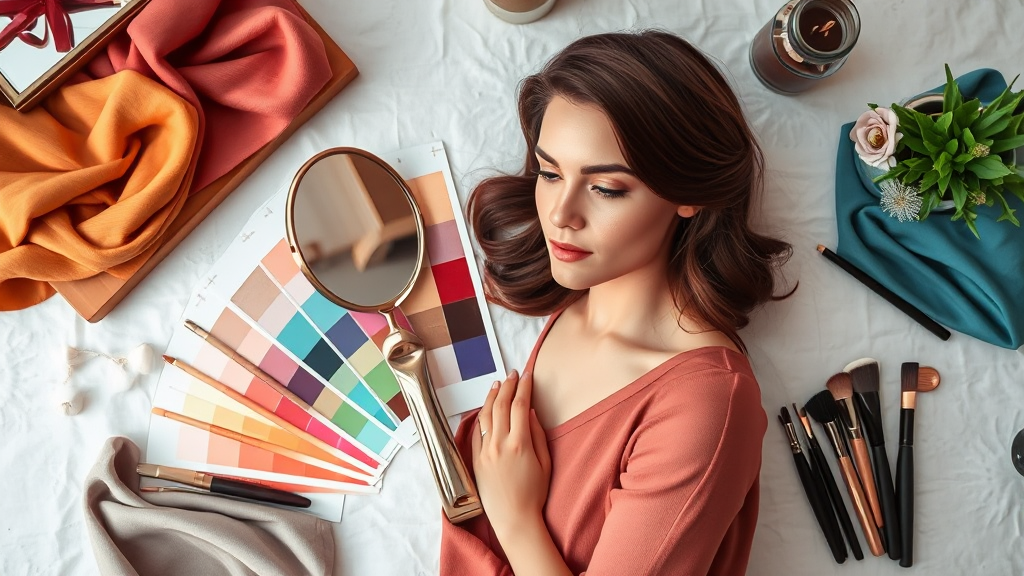
The Art of Color Analysis: How to Choose a Palette That Flatters Your Natural Beauty
Have you ever wondered why a certain shade of blue makes your eyes sparkle while another drains the life from your face? The answer lies in the fascinating practice of color analysis. This systematic approach to understanding how colors interact with your natural features has become a cornerstone of modern beauty and style. By identifying the hues that harmonize with your skin tone, eye color, and hair shade, you can build a wardrobe and makeup collection that consistently makes you look radiant, healthy, and effortlessly put-together. In this comprehensive guide, we will explore the principles of color analysis, how to determine your personal palette, and why this knowledge is a game-changer for your daily routine.
Color analysis is not about following fleeting trends or copying a celebrity’s style. Instead, it is a deeply personal process that celebrates your unique coloring. Whether you are a warm autumn with golden undertones or a cool summer with rosy hues, understanding your seasonal category can transform how you shop, dress, and apply makeup. Many online tools, including the Color Analysis by BeautyLiesTruth – color season analysis – color analysis – color analysis quiz – Links, offer a convenient starting point for your journey. These quizzes and guides help you identify your season without the need for a professional consultant, making the power of personalized color knowledge accessible to everyone.
What Is Color Analysis?
At its core, Color Analysis by BeautyLiesTruth is a method of categorizing individuals into one of four main seasonal groups—Spring, Summer, Autumn, and Winter—based on the undertones of their skin, hair, and eyes. Each season is further divided into subtypes (such as Light Spring or Deep Winter) to refine the palette even further. The goal is to find the colors that naturally complement your complexion, making your skin appear clearer, your eyes brighter, and your overall look more vibrant. Conversely, wearing colors that clash with your undertones can make you look tired, sallow, or older than you are.
The concept gained popularity in the 1980s and has recently experienced a resurgence thanks to social media and online quizzes. Today, color season analysis is used not only for fashion choices but also for selecting hair dye, foundation shades, and even accessories. The key is to understand the balance between warm and cool tones, as well as the intensity and contrast that suit your natural features.
The Four Seasonal Palettes
Spring: Warm and Bright
Spring individuals typically have warm undertones with a golden or peachy glow. Their hair may range from strawberry blonde to golden brown, and their eyes are often light blue, green, or hazel with golden flecks. The Spring palette includes warm, clear colors like coral, peach, golden yellow, and bright turquoise. These shades echo the freshness of the season and bring out the natural warmth in the skin.
Summer: Cool and Soft
Summer types have cool undertones with a pinkish or bluish tint. They often have ash-toned hair (blonde, brown, or gray) and eyes that are soft blue, gray, or green. The Summer palette is muted and powdery, featuring colors like dusty rose, lavender, soft blue, and rose beige. These gentle, cool hues flatter the delicate coloring of Summer individuals without overwhelming them. color season quiz
Autumn: Warm and Muted
Autumn individuals exude warmth with rich, earthy undertones. Their hair can be auburn, copper, or deep brown, and their eyes often have golden or amber flecks. The Autumn palette is inspired by fallen leaves and includes colors like rust, olive green, mustard, and warm terracotta. These deep, muted tones enhance the natural richness of Autumn coloring.
Winter: Cool and Bold
Winter types have cool undertones with high contrast between their skin, hair, and eyes. They often have dark hair, light skin, and deep-set eyes in shades of blue, brown, or black. The Winter palette is dramatic and crisp, featuring colors like pure white, black, royal blue, emerald green, and hot pink. These intense shades create a striking harmony with the high contrast of Winter features.
How to Determine Your Color Season
Identifying your season can be done through a professional consultation or through careful self-assessment. A good place to start is by taking a color analysis quiz that asks about your natural hair color, eye color, and how your skin reacts to sun exposure. Many quizzes also consider whether you look better in gold or silver jewelry, which is a classic indicator of warm versus cool undertones.
For a more hands-on approach, you can perform the drape test at home. Pull your hair back, sit in natural light, and hold different colored fabrics near your face. Observe which shades make your skin look clear and bright versus those that cast a shadow or create a sallow effect. This simple experiment can provide valuable clues about your undertone and overall color harmony.
If you prefer a more guided experience, the color analysis test offered by BeautyLiesTruth can help you narrow down your season. Their comprehensive quiz evaluates multiple factors, including your skin’s undertone, the color of your veins, and your reaction to certain colors. Remember, the goal is not to label you but to empower you with a personalized palette that you can use for years to come.
Why Color Analysis Matters for Your Style
Understanding what is my color season is more than a fun internet quiz—it is a practical tool for making smarter fashion choices. When you know your season, you can effortlessly coordinate your wardrobe, ensuring that every piece you buy complements your natural coloring. This not only saves you time and money but also reduces the frustration of owning clothes that never seem to flatter you. find my color season
Moreover, seasonal color analysis extends beyond clothing. It influences your choice of hair color, makeup shades, and even eyewear frames. For instance, a Winter type might rock a jet-black bob and a bold red lip, while a Summer type might look better with a soft ash blonde and a dusty rose lipstick. By aligning your entire beauty routine with your seasonal palette, you create a cohesive and polished appearance that feels authentically you.
Applying Color Analysis to Makeup and Hair
Makeup is one of the most direct ways to apply the principles of color analysis. Foundation, concealer, and powder should match your skin’s undertone perfectly—whether cool, warm, or neutral. For blush, Spring types can opt for peach, Summer for rose, Autumn for terracotta, and Winter for fuchsia. Eyeshadow palettes can also be tailored to your season: warm bronze and gold for Autumn, cool taupe and mauve for Summer, fresh greens and corals for Spring, and smoky grays and deep purples for Winter.
When it comes to hair, color analysis hair can guide you toward shades that harmonize with your skin rather than fighting against it. For example, an Autumn type might choose a rich chestnut brown or copper highlights, while a Summer type might prefer a cool beige blonde or ash brown. Similarly, color analysis makeup helps you select lipsticks, liners, and glosses that enhance your natural lip color and overall complexion.
Color Analysis in Fashion and Personal Style
Your personal style is a reflection of who you are, and color analysis fashion can help you express that with greater confidence. Once you know your season, you can build a capsule wardrobe filled with colors that make you feel amazing. For instance, a Spring type might invest in a bright yellow blazer, while a Winter type might choose a classic black turtleneck. The key is to incorporate your season’s colors into your clothing, accessories, and even your choice of prints.
Beyond just picking colors, color analysis style also considers the overall contrast and intensity that suits you. High-contrast individuals (like Winters) can handle bold patterns and stark color combinations, while low-contrast types (like Summers) look better in softer, monochromatic looks. By understanding these nuances, you can refine your personal style to be both flattering and expressive. color palette quiz
Online Tools and Quizzes: Your Gateway to Color Analysis
Thanks to the digital age, you no longer need to book a pricey consultation to discover your color analysis personal palette. Numerous color analysis free tools are available online, including the color analysis no photo quiz offered by BeautyLiesTruth. This quiz is designed to be accessible to everyone, regardless of whether you have a photo to upload or prefer to answer questions based on your physical attributes.
These color analysis quiz free options are perfect for a quick self-discovery session. They typically ask about your natural hair color, eye color, and skin tone, as well as your preferences and reactions to different colors. The result is a detailed breakdown of your season, complete with recommended colors for clothing, makeup, and hair. Many quizzes also offer color analysis quiz online formats that you can take from the comfort of your home, making it easier than ever to start your color journey.
Common Questions About Color Analysis
If you’re new to the concept, you might have a few questions. Here are answers to some of the most frequently asked questions about color analysis.
Can I do color analysis without a photo?
Absolutely! Many online quizzes, including the color analysis quiz no photo option, rely on descriptive questions about your features and preferences. You can accurately determine your season without uploading a single image.
Is color analysis suitable for both men and women?
Yes, color analysis is for everyone. There are color analysis quiz for women and color analysis quiz for men that cater to different styling needs, but the underlying principles are the same. Men can use their seasonal palette to choose flattering suits, shirts, and ties, while women can apply it to their entire wardrobe and makeup routine.
How does color analysis help with skin tone?
By understanding your undertone, you can select clothing and makeup that complement your color analysis for skin tone. This reduces the risk of looking washed out or sallow and ensures that your natural glow shines through. color analysis online
Can color analysis guide my makeup choices?
Definitely. A color analysis quiz for makeup can help you choose the right foundation, blush, eyeshadow, and lipstick shades. Each season has a recommended makeup palette that enhances your features without overpowering them.
Is color analysis only about clothing?
No, it also applies to color analysis quiz for fashion and color analysis quiz for hair. You can use your season to select a flattering hair color, choose eyeglass frames, and even decide on the color of your accessories.
How accurate are online color analysis quizzes?
Online quizzes, like the color analysis quiz for eyes and color analysis quiz for skin tone, are quite accurate when you answer honestly and provide detailed information. While a professional draping session is the gold standard, a well-designed quiz can give you a reliable starting point.
Conclusion
Color analysis is a powerful tool that can revolutionize the way you approach beauty and style. By discovering your unique seasonal palette, you can make informed decisions about your wardrobe, makeup, and hair color, ensuring that you always look and feel your best. Whether you choose to take a color analysis quiz online or consult with a professional, the insights you gain will last a lifetime. So why wait? Embrace the art of color analysis today and unlock the secret to a more radiant, confident you.
Remember, the goal of color analysis is not to restrict your creativity but to give you a framework within which you can experiment and express yourself. With your personal palette in hand, you’ll find that choosing outfits, applying makeup, and even selecting a new hair shade becomes a joyful and empowering experience. So go ahead, take the quiz, and let your true colors shine.