Timeless & Trendy Hairstyles for Women Over 60 to Refresh Your Look
Turning 60 is a milestone that often brings a fresh perspective on life—and on your personal style. Your hair is one of the most powerful tools you have to express that renewed confidence. The right cut can frame your face, highlight your best features, and make you feel vibrant every single day. Whether you prefer something low-maintenance or love experimenting with texture, there are countless hairstyles for women over 60 that are both flattering and easy to manage. In this guide, we’ll explore a range of options—from soft layers to chic bobs—that celebrate your natural beauty and fit your lifestyle.
Why Your Hair Matters After 60
As we age, our hair naturally changes. It may become finer, drier, or lose some of its former volume. These changes don’t mean you have to settle for a boring cut—they simply mean you need to choose a style that works with your hair’s new texture. The right hairstyle can add the illusion of thickness, soften facial lines, and even take years off your appearance. Moreover, a great haircut can boost your mood and self-esteem, reminding you that age is just a number.
When selecting a new look, consider your daily routine. Do you have time for styling? Are you comfortable with regular salon visits? Your answers will guide you toward a cut that’s not only beautiful but also practical. The goal is to find a style that makes you feel like the best version of yourself—without adding stress to your mornings.
Classic Bobs: The Ultimate Versatile Choice
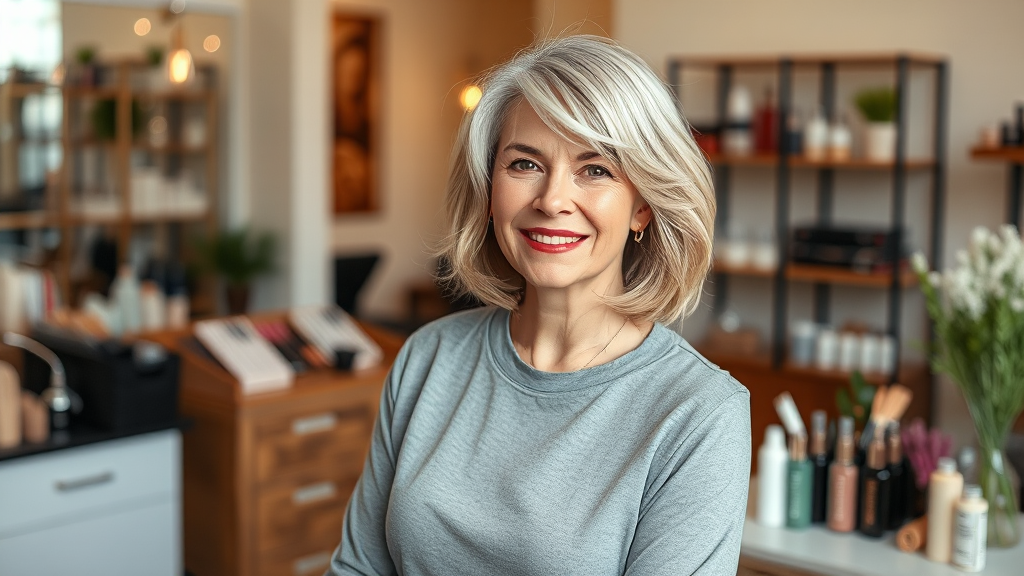
The bob is a timeless favorite for good reason. It’s chic, easy to maintain, and suits almost every face shape. For women over 60, a classic bob can be tailored to your hair’s texture and your personal style. A chin-length bob with soft layers adds movement and volume, while a slightly longer bob (often called a “lob”) offers more styling flexibility.
One of the greatest advantages of a bob is its adaptability. You can wear it sleek and straight for a polished look, or add loose waves for a more relaxed vibe. If you have fine hair, ask your stylist for subtle layers to create the appearance of density. A bob also pairs beautifully with bangs—whether you prefer wispy fringe or side-swept curtains—to soften your forehead and draw attention to your eyes.
Soft Layers and Shags: Effortless Texture
If you crave movement and a bit of edge, consider a shaggy layered cut. This style has made a major comeback and is now a go-to for women of all ages. The beauty of a shag lies in its textured, piece-y layers that add volume and dimension, especially for those with naturally wavy or curly hair. For women over 60, a medium-length shag is particularly flattering—it’s easy to style and gives a youthful, carefree energy.
You can find many examples of hairstyles for women over 60 that incorporate these soft, face-framing layers. The key is to keep the layers long enough to avoid excessive frizz, but short enough to create lift at the crown. Pair it with a side part or curtain bangs to open up your face and highlight your cheekbones. This style works wonders for adding body to fine hair and taming thick, unruly textures.
Pixie Cuts: Bold, Bold, Beautiful
For the woman who loves a bold statement, the pixie cut is an empowering choice. It’s short, sassy, and incredibly easy to care for—just wash, dry, and go. Pixies come in many variations: from ultra-short and sleek to longer, textured crops that offer more styling options. A pixie can be tailored to suit your face shape, whether you have a round, oval, or heart-shaped face.
One of the biggest benefits of a pixie is that it instantly draws attention to your eyes and facial structure. It also eliminates the need for lengthy styling routines, making it perfect for an active lifestyle. If you’re nervous about going too short, start with a longer pixie that can be styled with a little product to create texture and movement. Many women find that a pixie cut is liberating—it’s a fresh start that feels both modern and timeless.
Embrace Natural Texture: Curls and Waves
If you have naturally curly or wavy hair, don’t fight it—embrace it! Curls and waves add instant volume and personality, and they can be incredibly flattering at any age. The key is to work with your natural texture rather than against it. Ask your stylist for a cut that enhances your curl pattern, such as a layered cut that removes weight and allows your curls to spring up.
For those with looser waves, a shaggy lob or a shoulder-length cut with layers can create beautiful, beachy waves. Use a diffuser to enhance your natural texture and a lightweight mousse to define curls without weighing them down. This approach not only saves time but also celebrates the unique beauty of your hair.
Styling Tips for Women Over 60
Once you’ve chosen your new cut, it’s important to know how to style it to keep it looking its best. Here are some practical tips:
- Use volumizing products: A good root-lifting spray or mousse can add body to fine hair, making it look fuller and more youthful.
- Invest in quality tools: A good round brush and a quality hairdryer can make all the difference in achieving a smooth, polished finish.
- Don’t skip the heat protectant: If you use hot tools, always apply a heat protectant to prevent damage and breakage.
- Regular trims are essential: To keep your cut looking fresh and prevent split ends, schedule a trim every 6-8 weeks.
- Experiment with color: Soft highlights, babylights, or a subtle balayage can add dimension and brightness to your hair, instantly lifting your complexion.
Remember, your hair is an extension of your personality. Don’t be afraid to try something new—you might just discover a look you love.
Frequently Asked Questions
What is the most low-maintenance hairstyle for a woman over 60?
A classic pixie cut is often considered the most low-maintenance option. It requires minimal styling and washing, and it can be easily refreshed with a little product. Alternatively, a chin-length bob with natural texture is also very easy to manage.
Can I still have long hair after 60?
Absolutely! There’s no rule that says you must cut your hair short as you age. However, long hair may benefit from layers to add movement and prevent it from dragging down your face. Keep it healthy with regular trims and consider adding soft face-framing pieces.
How do I choose a hairstyle that suits my face shape?
Consult with your stylist, who can assess your face shape and recommend styles that flatter your features. Generally, rounded faces suit longer bobs or layered cuts, while oval faces can pull off almost any style. Heart-shaped faces look great with side-swept bangs and chin-length cuts.
Are there hairstyles that make you look younger?
Yes, styles that add volume and softness around the face tend to have a youthful effect. Soft layers, side-swept bangs, and gentle waves are all excellent choices. Avoid severe, flat styles that can age you.
Finding the perfect hairstyle is a personal journey. Whether you opt for a chic bob, a playful shag, or a bold pixie, the most important thing is that you feel confident and comfortable. For more inspiration and detailed guides, explore the hairstyles for women over 60 featured on Beauty Lies Truth. Your next favorite look is just a snip away!
Readers who are interested in this topic will benefit from exploring multiple perspectives and understanding the nuanced approaches that industry leaders recommend. Taking time to research thoroughly ensures better outcomes and more informed decision-making.
Those looking to gain deeper knowledge in this area should consider following expert analysis, staying updated with the latest developments, and engaging with professional communities where these topics are discussed in detail.
A comprehensive understanding of this subject requires looking at both theoretical foundations and practical applications. By combining study with hands-on experience, learners can develop a well-rounded perspective that serves them well in real-world scenarios.
As the landscape continues to shift and evolve, staying informed about emerging trends and best practices becomes increasingly valuable. This ensures you remain competitive and capable of adapting to new challenges as they arise.